

RAID Levels Explained: RAID 0, 1, 5, 6, 10, 50 and 60 for Business Servers
RAID levels appear in nearly every storage decision, usually as though everyone already knows why RAID 6 beats...

Almost every firewall comparison shows you the purchase price. Very few show you year three — and that's where businesses get caught out. An appliance bought for one figure can cost two or three times that over three years once threat-intelligence subscriptions, support contracts, and renewal increases are counted. The sticker price is rarely the number that matters.
The second trap is throughput. Vendors headline a stateful inspection figure, but the number you actually need is throughput with inspection enabled — which on some platforms is a fraction of the headline figure. Size against the wrong number and you buy a firewall that becomes a bottleneck the moment you switch on the features you bought it for.
This guide compares the three platforms most businesses realistically choose between — FortiGate, Palo Alto, and pfSense/OPNsense — on capability, real cost over time, and which situations each actually suits.

A traditional firewall filters by port and IP address: allow 443, block everything else. A next-generation firewall (NGFW) inspects the traffic itself — identifying which application is running, which user is running it, and whether the content is malicious — regardless of which port it uses.
The capabilities that define an NGFW:
That last point matters: VLAN segmentation on your switches only isolates traffic. Deciding what's allowed to cross between segments — and inspecting it when it does — is the firewall's job. The two purchases are designed to work together.
The most commonly deployed choice in the mid-market, and usually the best throughput-per-dollar. Fortinet builds custom security ASICs (their SPU processors) that handle inspection in dedicated silicon rather than general-purpose CPU — which is why FortiGate appliances tend to show the smallest performance drop when TLS inspection is enabled. Hardware typically lists 30–50% below Palo Alto at comparable stateful throughput tiers.
Licensing is bundled (UTM or Enterprise Protection packages), which keeps the renewal conversation simpler than itemised alternatives. The trade-off: the interface and policy model are broad rather than deep, and very large or highly regulated environments sometimes find the granularity limiting.
The platform most often chosen where security depth outranks budget. Palo Alto's application identification and policy model are widely regarded as the most granular available, with flexible selective TLS decryption (excluding categories like banking or healthcare from inspection) and strong Zero Trust and hybrid-cloud policy consistency.
The cost model is the main consideration: Threat Prevention, URL Filtering, WildFire sandboxing, DNS Security, and GlobalProtect VPN are each licensed separately, so recurring costs run higher than Fortinet's bundles. It also expects more expertise — this is a platform that rewards a team who knows it, and frustrates one who doesn't.
Open-source firewall platforms that run on standard x86 hardware — including a refurbished server or a VM on your existing Proxmox host. No per-seat licensing and no subscription required for the core firewall, VPN, and routing functionality.
Strengths: genuinely capable stateful firewalling, excellent VPN support, standard networking conventions that make troubleshooting straightforward, and zero licensing cost. Limitations: advanced threat prevention relies on add-on packages rather than a commercial feed, there's no vendor to call at 2am unless you buy Netgate support, and it demands real networking competence to configure safely. A misconfigured open-source firewall is worse than a well-configured commercial one.
| Factor | FortiGate | Palo Alto | pfSense / OPNsense |
|---|---|---|---|
| Hardware cost | Moderate | Highest | Your own hardware |
| Recurring licensing | Bundled subscriptions | Itemised per feature — highest | None required |
| TLS inspection performance | Strong — ASIC offload | Good — dedicated processors | CPU-bound, sizing-dependent |
| Policy granularity | Good | Best in class | Standard, no app-ID depth |
| Expertise required | Moderate | High | High (networking fundamentals) |
| Vendor support | Included with subscription | Included with subscription | Optional (Netgate) or community |
| Best fit | Most SMB and mid-market | Regulated, security-first enterprise | Technical teams, budget-constrained |
Firewall datasheets quote several throughput figures, and they can differ by a factor of four or more on the same appliance. Understanding which applies to you is the difference between a firewall that performs and one that throttles your internet connection.
| Figure | What It Measures | Relevance |
|---|---|---|
| Stateful / firewall throughput | Basic packet forwarding, no inspection | The headline number — least relevant in practice |
| Threat protection / NGFW throughput | With IPS and application control enabled | Realistic for most deployments |
| TLS / SSL inspection throughput | Decrypting and inspecting encrypted traffic | The real ceiling if you inspect HTTPS — and most should |
The scale of the drop is significant. Independent testing shows appliances losing roughly 40% of stateful throughput to TLS inspection on ASIC-accelerated platforms, and up to 75% or more on others. Since the large majority of web traffic is now encrypted, the TLS figure is the number to size against — not the headline.
Practical sizing approach: take your internet bandwidth, add capacity for internal inter-VLAN traffic that will cross the firewall, then choose an appliance whose TLS inspection throughput comfortably exceeds that — with headroom for growth. Sizing to the exact figure leaves nothing for peak load or the next bandwidth upgrade.
Firewall pricing has three components, and only the first is visible at purchase:
Independent 5-year TCO comparisons at equivalent inspected-throughput tiers generally place Fortinet meaningfully below Palo Alto on all-in cost, driven mostly by the bundled-versus-itemised licensing difference rather than hardware price alone. pfSense sidesteps recurring licensing entirely, but shifts the cost into staff expertise and the absence of a vendor SLA.
Before signing anything, ask for a three-year quote including all subscription renewals — not a year-one figure. Also confirm what happens if subscriptions lapse: on most commercial platforms the firewall keeps forwarding traffic but stops receiving threat updates, which quietly degrades protection rather than failing visibly.
A firewall sits directly in the path of all traffic in and out of your network. If it fails, the business is offline — not degraded, offline. That makes it one of the few devices where redundancy deserves genuine consideration rather than being an automatic upgrade sell.
An HA pair — two appliances with synchronised configuration, one active and one standby — fails over in seconds. The case for it is straightforward: if an hour of downtime costs more than the second appliance, buy the pair. For a business where staff can work offline for a few hours, a single unit with a documented replacement plan and a spare configuration backup is a reasonable position.
A pragmatic middle ground worth knowing: keep a cold spare on the shelf with a saved configuration. Recovery takes an hour rather than seconds, but costs a fraction of a live HA pair — and in Qatar, it avoids waiting on an international RMA while the office has no internet.
Three local considerations that don't appear on any datasheet:
| Your Situation | Recommended Platform |
|---|---|
| SMB, no dedicated security staff, want it to just work | FortiGate with a UTM bundle |
| Regulated data, compliance audits, security-first budget | Palo Alto |
| Strong in-house networking skills, minimal budget | pfSense or OPNsense on refurbished hardware |
| Multi-site with SD-WAN requirements | FortiGate — SD-WAN is included rather than licensed separately |
| Lab, test environment, or non-critical branch | pfSense/OPNsense virtualised on an existing host |
| Heavy TLS inspection at high bandwidth | FortiGate (ASIC offload) or higher-tier Palo Alto |
At ServerDove Trading & Services, we supply Fortinet and Palo Alto firewalls across Qatar, plus refurbished server hardware suitable for pfSense and OPNsense deployments — with local warranty and delivery in Doha and nationwide. Browse all network firewalls.
Neither is universally better — they target different priorities. FortiGate generally offers better throughput per dollar, simpler bundled licensing, and lower total cost, making it the common mid-market choice. Palo Alto offers deeper application identification and more granular policy control, favoured where security depth and compliance outrank budget.
Yes, for businesses with genuine in-house networking expertise. pfSense provides capable stateful firewalling, VPN, and routing with no licensing cost. The trade-offs are the absence of a commercial threat-intelligence feed by default, no vendor SLA unless you buy Netgate support, and a reliance on the person configuring it knowing what they're doing.
Size against the TLS inspection throughput figure, not the headline stateful number — inspection can reduce throughput by 40% to 75% depending on platform. Take your internet bandwidth, add internal traffic crossing between VLANs, and choose an appliance whose TLS figure comfortably exceeds that with room for growth.
To retain next-generation protection, yes. If subscriptions lapse, most commercial firewalls continue forwarding traffic but stop receiving threat-intelligence updates — so protection degrades quietly rather than failing visibly. Budget renewals as an ongoing operational cost, not an optional extra.
Yes. pfSense and OPNsense run well as VMs on Proxmox or VMware, and both Fortinet and Palo Alto offer virtual appliance editions. Give the VM dedicated physical NICs via passthrough for best performance, and consider that a virtualised firewall depends on the host — if the hypervisor goes down, so does your internet.
ServerDove supplies Fortinet and Palo Alto firewall appliances across Qatar, along with refurbished server hardware suitable for pfSense and OPNsense deployments, with delivery in Doha and nationwide and local warranty support.
Most firewall regret comes from one of two miscalculations: sizing against the headline throughput figure rather than the inspected one, or budgeting for the appliance rather than the three-year subscription reality. Get those two right and the platform choice becomes comparatively simple.
FortiGate suits most businesses. Palo Alto suits those where security depth justifies the premium and the expertise exists to use it. pfSense suits technical teams who would rather invest in capability than licensing — and pairs naturally with refurbished hardware you already trust.
Not sure which platform or model fits? Tell us your internet bandwidth, user count, and whether you need TLS inspection, and we'll size the right firewall — with delivery across Qatar and local warranty support. Request a Quote · Chat on WhatsApp

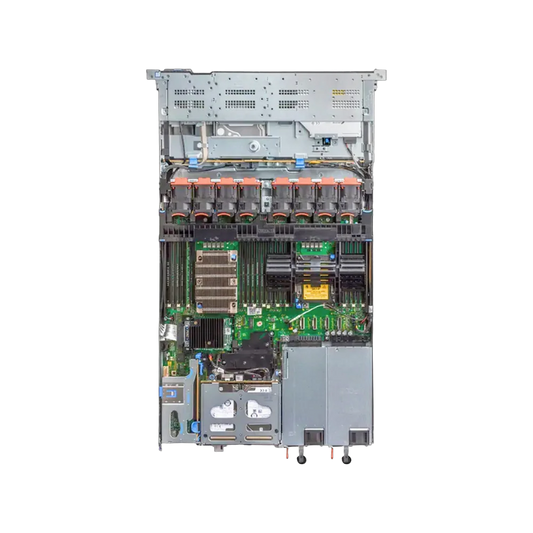

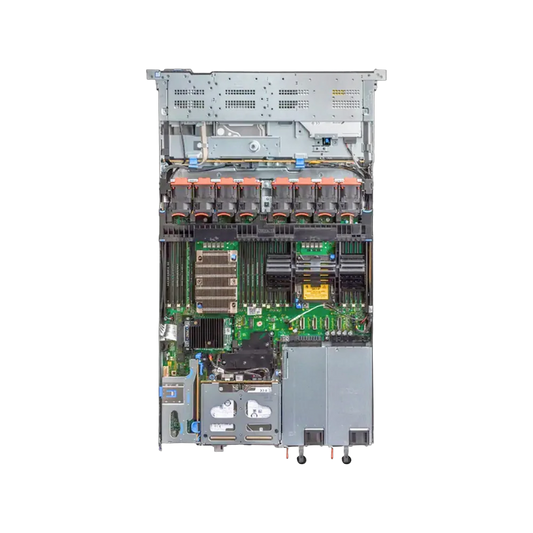

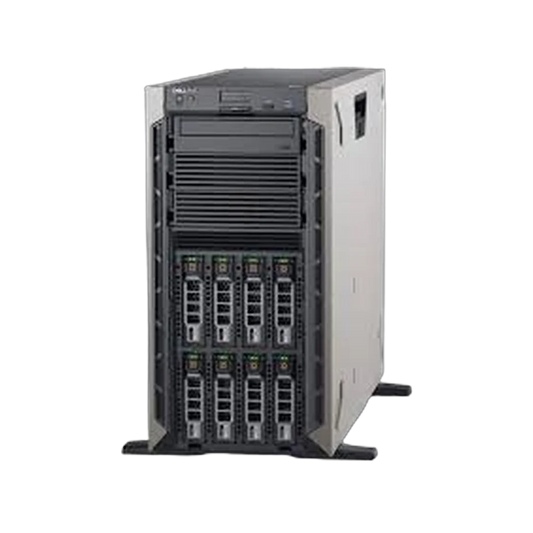


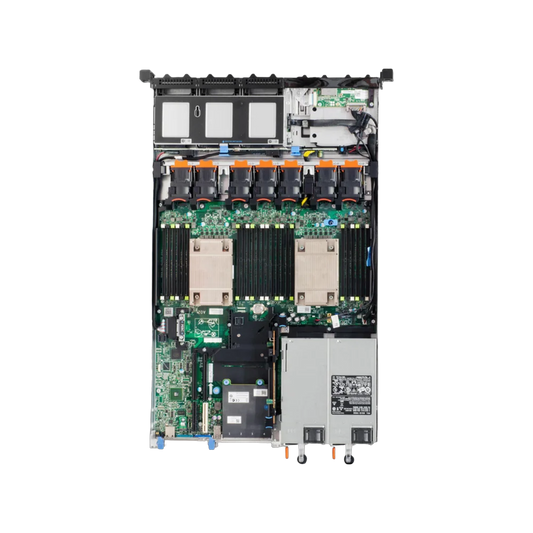




RAID levels appear in nearly every storage decision, usually as though everyone already knows why RAID 6 beats...
A backup server isn't a production server with the workload turned down. It has inverted priorities, and Veeam...
The question behind every refurbished purchase: how long before it fails? The answer comes from failure data on...
A rack has to outlast everything else in the server room. Buy a shallow one to save money...


