

Backup Server Build Guide: Hardware for Veeam and Proxmox Backup Server
A backup server isn't a production server with the workload turned down. It has inverted priorities, and Veeam...

The Dell PowerEdge R740 and Dell PowerEdge R750 are two of the most powerful enterprise rack servers available for virtualization, storage, database, and business-critical workloads.
The R740 is one of the most popular refurbished enterprise servers because of its reliability, expandability, and strong price-to-performance ratio. The R750 is a newer-generation platform built for higher performance, PCIe Gen4 expansion, faster memory, and modern NVMe workloads.
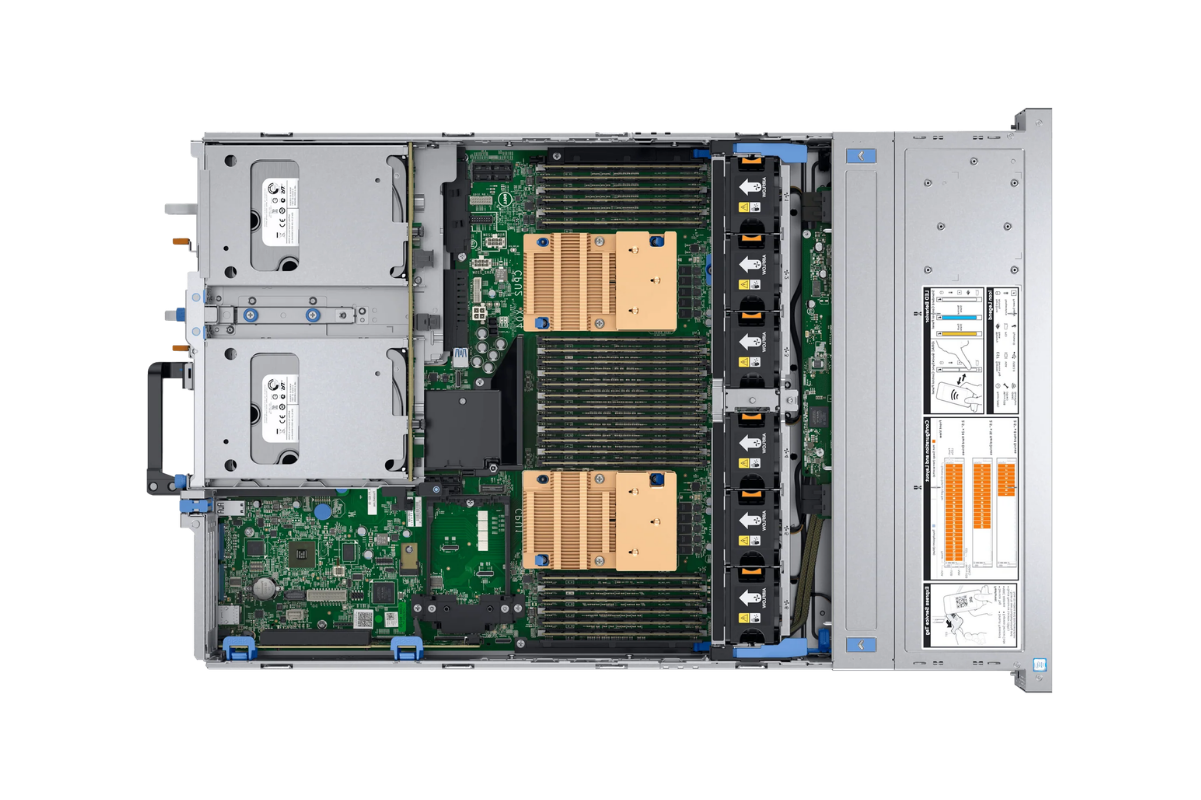
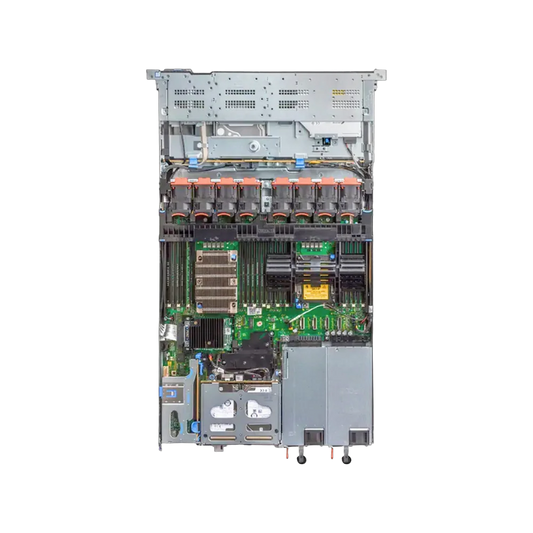
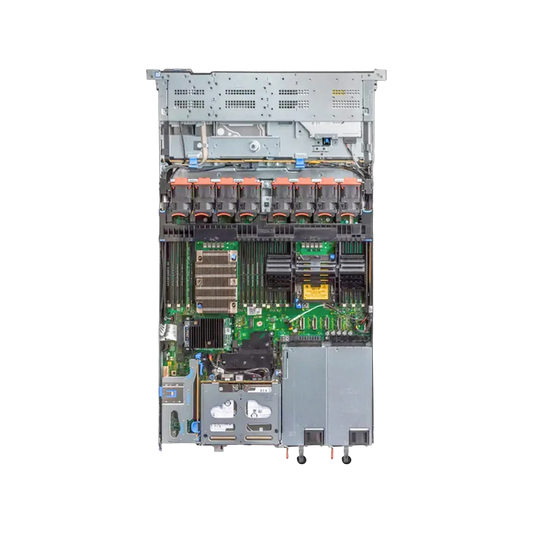
Dell PowerEdge R740 Server
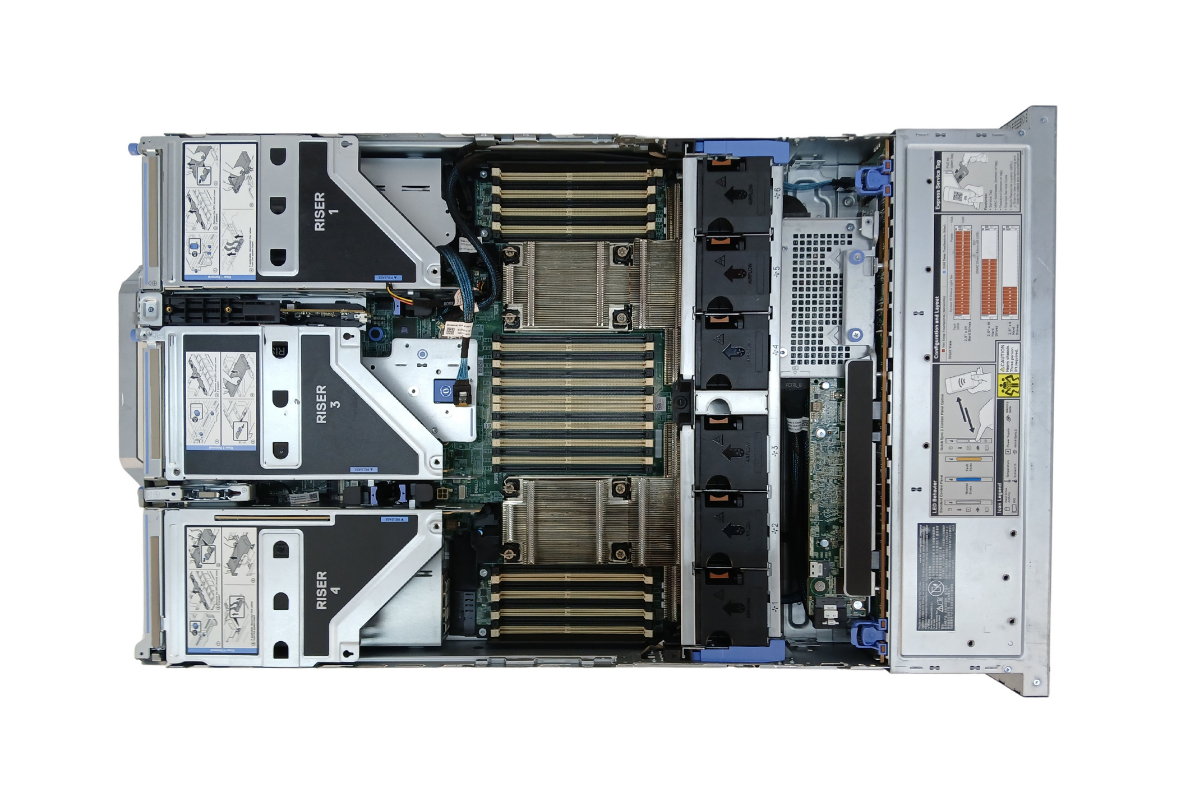
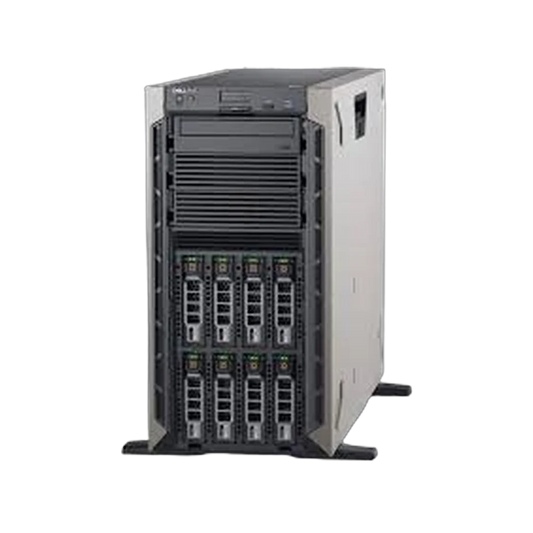
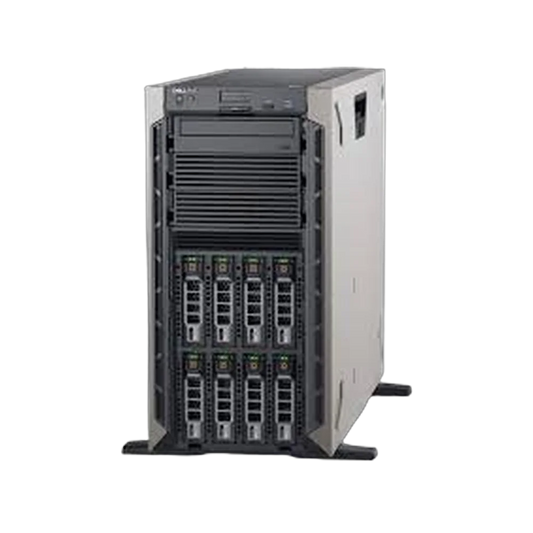
Dell PowerEdge R750 Server
Choose the Dell PowerEdge R740 if you want strong value, proven reliability, and enough power for virtualization, backup, file hosting, and common business applications.
The Dell PowerEdge R750 is designed for businesses requiring higher compute density, PCIe Gen4 bandwidth, faster memory, NVMe acceleration, and future-ready infrastructure.
Below is a direct comparison between the Dell PowerEdge R740 and Dell PowerEdge R750.
| Specification | PowerEdge R740 | PowerEdge R750 |
|---|---|---|
| Generation | 14th Gen | 15th Gen |
| Processor Support | 1st / 2nd Gen Xeon Scalable | 3rd Gen Xeon Scalable |
| Form Factor | 2U Rack | 2U Rack |
| Max CPU Count | 2 | 2 |
| Max Core Count | Up to 56 cores | Up to 80 cores |
| Memory Slots | 24 DIMM Slots | 32 DIMM Slots |
| Max Memory Speed | 2933 MT/s | 3200 MT/s |
| PCIe Generation | PCIe Gen3 | PCIe Gen4 |
| NVMe Support | Limited | Full Support |
| Storage Options | SAS, SATA, SSD | SAS, SATA, SSD, NVMe |
The Dell PowerEdge R740 supports Intel Xeon Scalable processors from the first and second generations. These CPUs continue to provide excellent enterprise performance for virtualization, storage, backup, and database workloads.
The R750 supports 3rd Generation Intel Xeon Scalable processors with significantly improved architecture, efficiency, and higher core density.
Businesses running VMware clusters, AI workloads, analytics platforms, or heavy SQL databases will benefit more from the R750 platform.
Memory performance is another major difference between the R740 and R750.
The R740 supports up to 24 DIMM slots and memory speeds up to 2933 MT/s, which is more than enough for most virtualization and business applications.
The R750 increases memory capacity and bandwidth significantly with support for 32 DIMM slots and faster 3200 MT/s memory. Businesses planning upgrades should also consider compatible server memory modules.
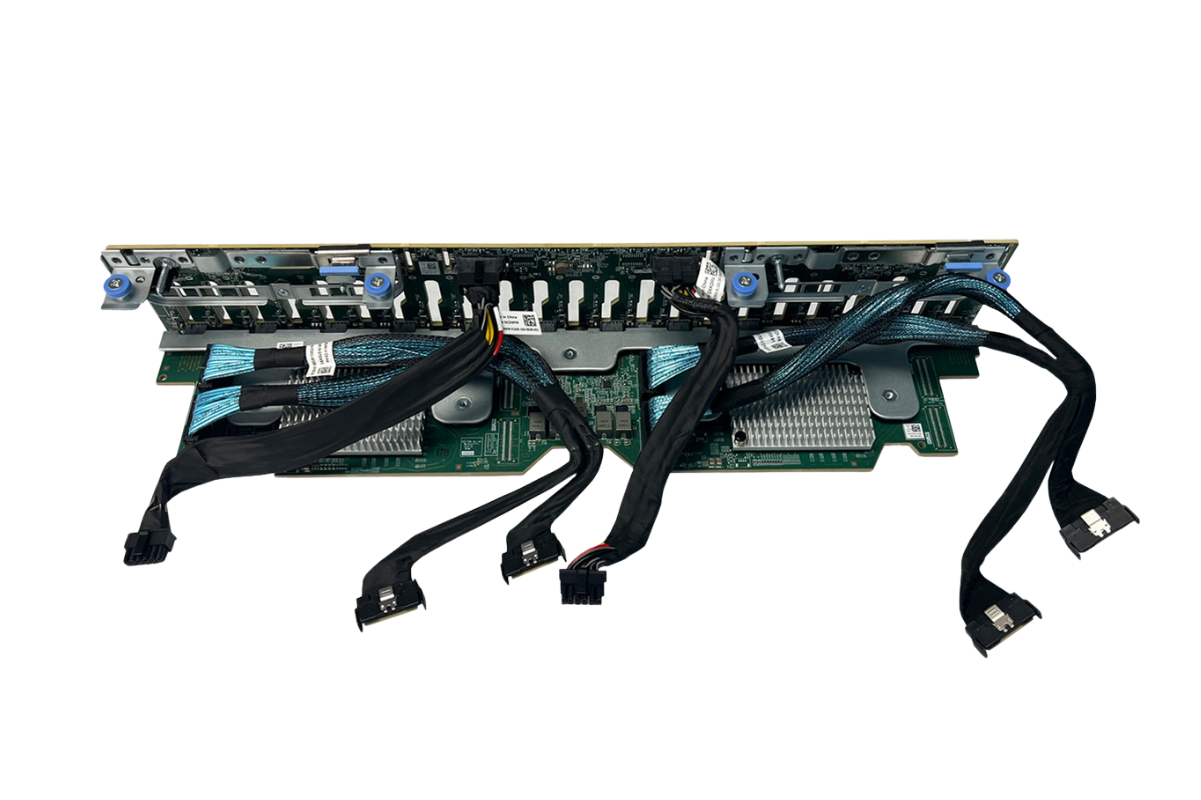
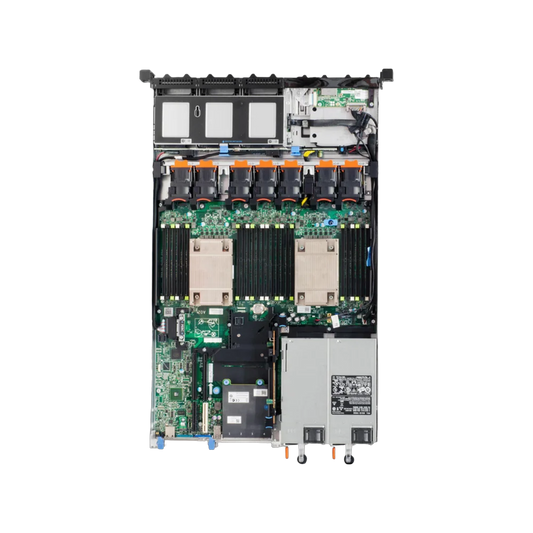
Dell PowerEdge R750 NVMe Backplane
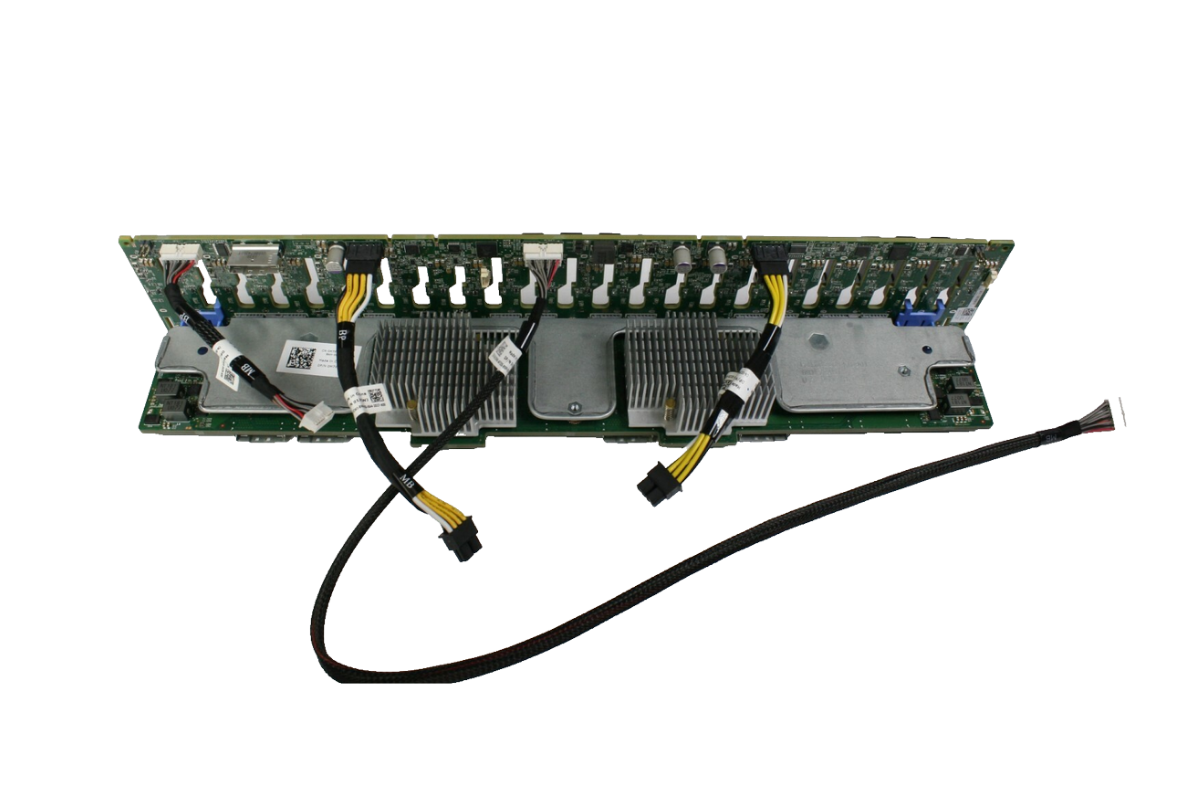
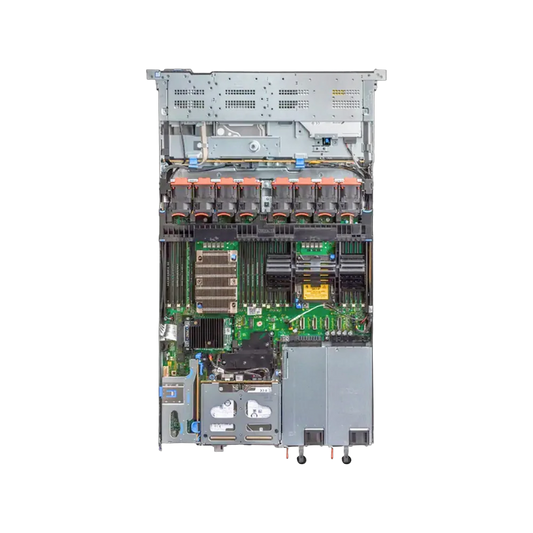
Dell PowerEdge R740 NVMe Backplane
NVMe storage performance is where the Dell PowerEdge R750 shows major improvements over the R740.
The R740 still supports NVMe configurations, but the R750 takes full advantage of PCIe Gen4 bandwidth for much faster storage throughput and lower latency. Explore available enterprise storage options for both platforms.
PCIe Gen4 support in the R750 provides significantly more bandwidth for GPUs, NVMe drives, high-speed networking, and AI accelerators. Compatible PCIe expansion cards can further enhance performance.
The R740 remains highly expandable and continues to be one of the most flexible refurbished enterprise servers available today.
On paper, specs are useful. In real environments, the better server depends on the work you need it to do. Click any card to see how each server compares.
The Dell PowerEdge R740 remains one of the best-value refurbished enterprise servers available today.
Businesses looking for affordable enterprise infrastructure often prefer the R740 because it delivers strong performance at significantly lower cost compared to newer-generation platforms.
The R750 is more expensive, but the higher cost is justified for organizations requiring next-generation performance and long-term scalability.
Choose the Dell PowerEdge R740 if you want strong enterprise performance with lower investment cost.
Choose the Dell PowerEdge R750 if you need maximum compute density, NVMe performance, PCIe Gen4, or future-ready infrastructure.
Value Path
Performance Path
Buying Only for Today
A server that fits current needs may struggle sooner than expected. If your environment is growing quickly, buying too small can cost more later.
Paying for Performance You Will Never Use
The R750 is powerful, but not every business needs that level of hardware. If your workloads are light to moderate, the R740 may be the smarter investment.
Ignoring Storage Architecture
Some buyers focus on CPU specs and overlook storage needs. If your application depends on fast reads and writes, storage design matters just as much as processor power.
Overlooking Expansion Needs
Think beyond the base server. Future NICs, accelerators, or storage upgrades may influence whether PCIe Gen3 or Gen4 is the better fit.
The Dell PowerEdge R740 and R750 are both excellent enterprise servers, but they serve different business priorities.
The R740 stands out for value, reliability, and practical performance — a smart choice for businesses that need a dependable server for virtualization, backup, ERP, and general infrastructure without stretching the budget.
The R750 is the stronger performance platform, with newer processors, more memory capacity, faster expansion, and better support for modern storage-heavy workloads.
If your priority is cost-effective performance, the R740 is likely the better fit.
If your priority is growth, speed, and long-term infrastructure planning, the R750 is the better investment. The best next step is to match your workload needs, budget, and future plans before making a final choice.









A backup server isn't a production server with the workload turned down. It has inverted priorities, and Veeam...
The question behind every refurbished purchase: how long before it fails? The answer comes from failure data on...
A rack has to outlast everything else in the server room. Buy a shallow one to save money...
"Use enterprise SSDs" is correct advice — and incomplete, because the category spans drives rated for a few...


