

Enterprise Hard Drive Buying Guide: SAS vs SATA, 7.2K vs 10K, CMR vs SMR
Spinning drives still run most backup targets, file servers, and NAS builds, and the market is full of...

When choosing a server for your business, one of the first decisions you'll face is whether to deploy a tower server or a rack server. Both serve the same purpose - running applications, storing data (often functioning as a storage server for backups and file sharing), hosting virtual machines, and supporting business operations - but they are designed for different environments and growth plans.
For small businesses, startups, branch offices, and growing enterprises, selecting the right server form factor can significantly impact cost, scalability, power consumption, and long-term management.

Tower Server

Rack Server
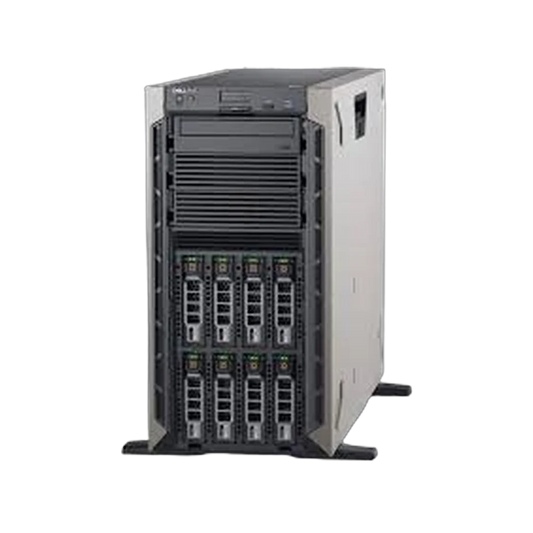
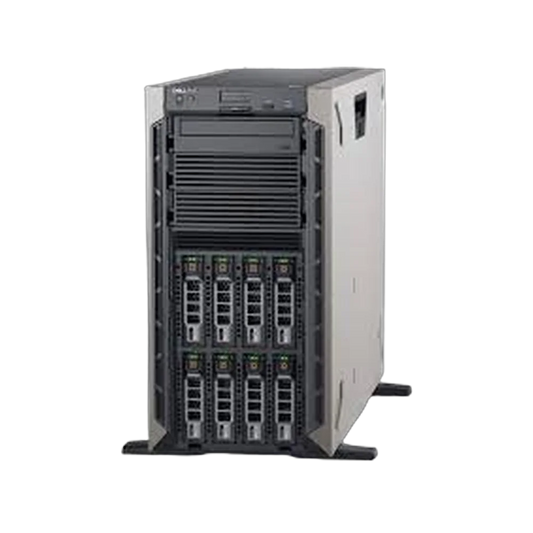
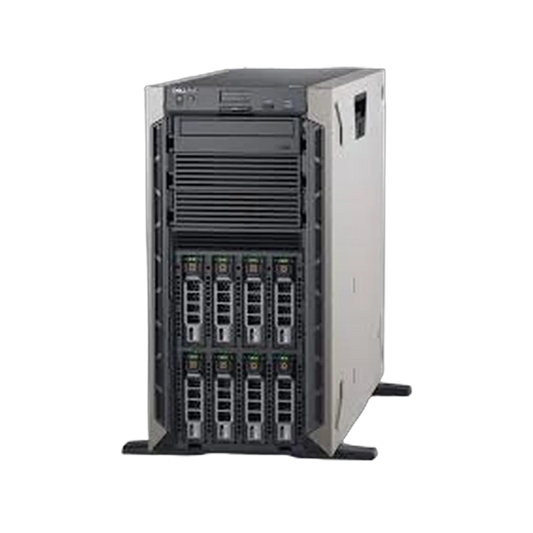
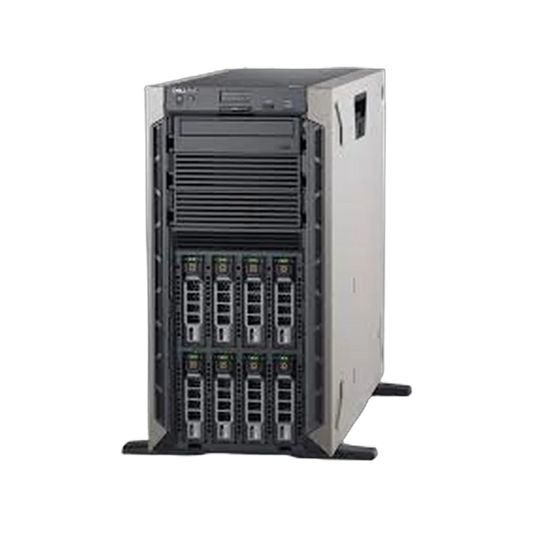
A tower server resembles a traditional desktop PC but contains enterprise-grade components designed for continuous operation. Tower servers are often used in small offices, retail stores, clinics, schools, and businesses that require dedicated computing resources without a dedicated server room. A tower server can also be configured as a storage server for backup, file sharing, or archival needs.
Common Tower Server Examples
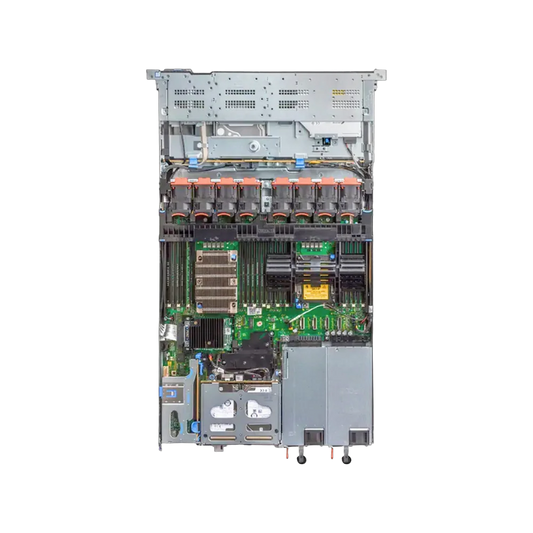
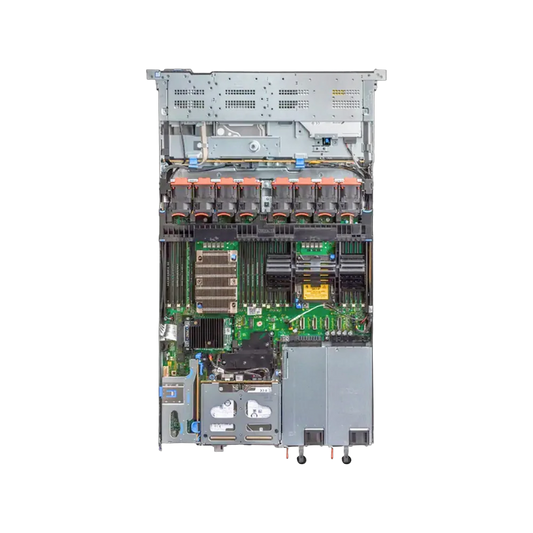
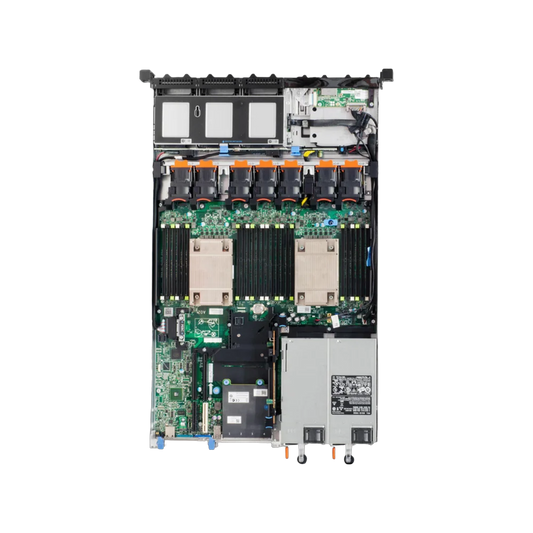
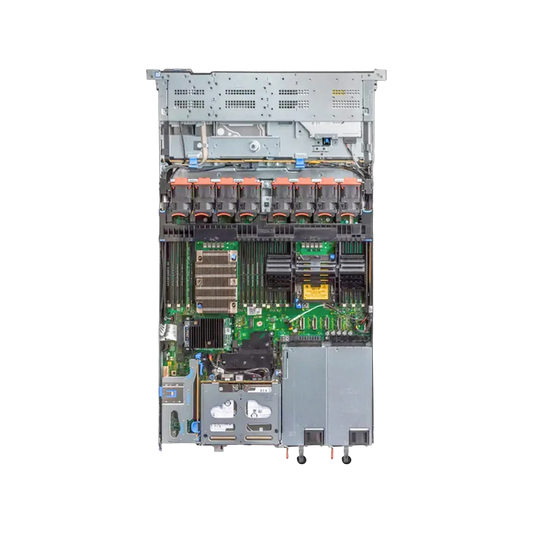
A rack server is designed to be mounted inside a standardized server rack. These systems are commonly found in data centers, enterprise environments, and organizations running multiple servers. Depending on configuration, a rack server may serve as a compute node or a storage server for data-heavy workloads.
Popular Rack Server Examples

The table below summarizes the key differences to help you make a faster decision.
| Feature | Tower Server | Rack Server |
|---|---|---|
| Initial Cost | Lower | Higher |
| Scalability | Moderate | Excellent |
| Physical Space | Larger footprint | Highly efficient |
| Noise Level | Low | Higher |
| Deployment Complexity | Simple | Moderate |
| Virtualization | Good | Excellent |
| Data Center Use | Limited | Ideal |
| Small Office Use | Excellent | Good |
| Multi-Server Environment | Less suitable | Ideal |
Tower servers are often the best choice for smaller organizations and environments where simplicity matters more than density.
If your organization only requires one or two servers, a tower server can deliver excellent performance without the complexity or cost of rack infrastructure.
Dell PowerEdge T440
Versatile dual-socket tower for file sharing, virtualization, and business applications.
Dell PowerEdge T640
Designed for larger workloads requiring additional storage capacity and expansion.
HPE ProLiant ML350 Gen10
Powerful tower platform supporting virtualization, databases, and enterprise workloads.
Rack servers are typically better suited for environments that need to scale, consolidate workloads, or run multiple servers in parallel.
If your organization plans to expand beyond a few servers, rack infrastructure becomes significantly more efficient — in space, cabling, power, and management overhead.
Dell PowerEdge R640
Ideal for virtualization, databases, and software-defined infrastructure.
Dell PowerEdge R740
Versatile platform supporting storage-heavy and compute-intensive workloads.
Dell PowerEdge R650
Optimized for modern virtualization, high-performance computing, and cloud workloads.
Many organizations assume tower servers are always cheaper. While the server itself may cost less upfront, the real decision depends on total cost of ownership and future growth.
1 Server
Tower is usually more economical
5 Servers
Tower space cost equals or exceeds a small rack
10+ Servers
Rack is significantly easier and cheaper to manage
Businesses expecting rapid growth should consider future expansion costs when making purchasing decisions. A slightly higher investment in rack infrastructure today can reduce operational complexity significantly as you scale.
Refurbished enterprise servers offer a cost-effective way for businesses to access reliable hardware at a fraction of the original price. Both tower and rack servers are available refurbished from reputable suppliers.
At ServerDove, all refurbished servers are fully tested, verified, and backed by warranty. Whether you need a tower server for a small business or rack servers for a growing data center, buying refurbished is a practical option that delivers the same enterprise-grade performance at significantly lower cost.
Refurbished Tower Servers
Refurbished Rack Servers
There is no single right answer - the best choice depends on your business size, growth plans, physical environment, and budget.
Choose a tower server if you need one or two servers, have limited space, are in a small office environment, and want a simple, cost-effective deployment without data center infrastructure.
Choose a rack server if you plan to scale, need high-density computing, run virtualization clusters, or manage multiple workloads in a data center or dedicated server room.
Both form factors are available refurbished - giving businesses of any size access to enterprise-grade hardware at accessible prices. Whether your business needs a tower server for a branch office or a rack of Dell PowerEdge servers for a growing data center, choosing the right platform from the start will save time, cost, and effort as your organization grows.









Spinning drives still run most backup targets, file servers, and NAS builds, and the market is full of...
RAID levels appear in nearly every storage decision, usually as though everyone already knows why RAID 6 beats...
A backup server isn't a production server with the workload turned down. It has inverted priorities, and Veeam...
The question behind every refurbished purchase: how long before it fails? The answer comes from failure data on...


