

Backup Server Build Guide: Hardware for Veeam and Proxmox Backup Server
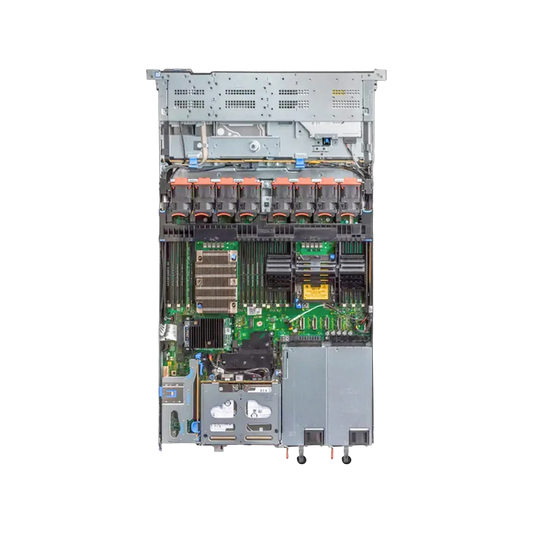
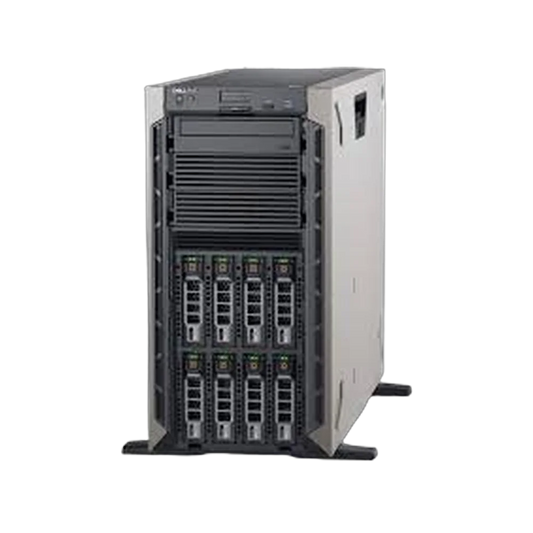
A backup server isn't a production server with the workload turned down. It has inverted priorities, and Veeam...

Windows Server 2022 reaches the end of mainstream support on October 13, 2026 — just weeks from now. That doesn't mean it stops working, or even stops receiving security updates; Microsoft has committed to patching it through extended support until October 2031. But it does mean the deadline for deciding your upgrade path has arrived, whether that decision is "upgrade now," "ride out extended support," or "replace the hardware at the same time anyway."
Windows Server 2025, generally available since November 2024, is Microsoft's answer — and it's a bigger jump than a typical version bump. Faster storage, a genuinely new Active Directory functional level for the first time since 2016, hotpatching with far fewer reboots, and a visibly modernized interface all ship in this release.
This guide compares both versions feature by feature, covers what's been removed or deprecated, and gives a clear framework for deciding whether to upgrade now, wait, or use the transition as an excuse to refresh your hardware too.

Windows Server 2022 Standard

Windows Server 2025 Datacenter
Both versions follow Microsoft's Fixed Lifecycle Policy — a defined mainstream support window followed by extended (security-only) support:
| Windows Server 2022 | Windows Server 2025 | |
|---|---|---|
| General availability | September 2021 | November 2024 |
| Mainstream support ends | October 13, 2026 | November 13, 2029 |
| Extended support ends | October 14, 2031 | November 14, 2034 |
Losing mainstream support isn't a cliff — Server 2022 keeps receiving monthly security updates at no extra cost through October 2031. What you lose is new features and non-security fixes. Microsoft has also extended Server 2022 hotpatching eligibility through October 2027, a one-year grace period past the mainstream date.
In other words: nothing breaks on October 13, 2026. But it's the natural point to start planning, especially for any server due for a hardware refresh anyway - timing an OS upgrade alongside new or refurbished hardware is usually more efficient than doing them separately.
Beyond the usual security and performance polish, a handful of changes are substantial enough to matter for a real deployment:
Server 2025 introduces NVMe over Fabrics (NVMe-oF) support, letting remote storage perform close to locally attached NVMe. Microsoft cites storage performance improvements of up to 60–70% over Server 2022 on equivalent hardware — a meaningful gain for SQL Server workloads or anything latency-sensitive. If you're running NVMe storage already, this is the clearest technical reason to move.
Active Directory hasn't had a new functional level since Server 2016. Server 2025 changes that, adding support for larger database page sizes — up to 32k, versus the old 8k ceiling — which improves scalability for large AD databases, plus updated cryptographic algorithm support. For businesses running a sizeable Active Directory environment, this is the biggest structural change in years.
Server 2022 offered hotpatching only on Datacenter: Azure Edition. Server 2025 extends it more broadly, cutting reboots from a monthly cadence down to roughly four a year for hotpatch-eligible updates — a real win for uptime-sensitive workloads that dread patch-Tuesday reboots.
Server 2022's Desktop Experience still looks like Windows 10. Server 2025 adopts the Windows 11 look and feel — updated Settings app, redesigned File Explorer and Task Manager, and built-in Windows Terminal and the WinGet package manager, both of which required manual installation on 2022. Small quality-of-life changes, but ones admins will notice daily.
Server 2025 adds native Bluetooth support and enables Wi-Fi by default (Wireless LAN Service installs automatically) — useful in lab, edge, or remote-management scenarios where 2022 required manual setup. Scalability ceilings also move up substantially: Server 2025 supports up to 2,048 logical processors and 4PB of RAM, aimed squarely at the largest enterprise and AI-adjacent deployments.
Server 2025 strips out several legacy components as a security measure. If any application in your environment still depends on these, budget time for compatibility testing before upgrading:
Completely Removed
DES encryption, IIS 6 Management Console, NTLMv1 authentication, SMTP Server, and WordPad are gone entirely — no compatibility mode.
Deprecated (Removal Planned)
Computer Browser service, Network Load Balancing (NLB), Remote Mailslots, TLS 1.0/1.1, Windows Internal Database (WID), WMIC, and the PowerShell 2.0 Engine still work today but are on notice.
NTLMv1 removal in particular catches out older line-of-business applications and some legacy network appliances. Audit authentication protocols in use before migrating a domain controller, not after.
Server 2025 shifts the pricing balance between editions rather than raising costs uniformly:
The practical takeaway: if you're running a handful of physical or lightly virtualized servers, Standard Edition on 2025 may actually cost less than the 2022 equivalent. Heavy virtualization on Datacenter is where the licensing conversation needs the most scrutiny before committing.
| Area | Windows Server 2022 | Windows Server 2025 |
|---|---|---|
| Storage | Standard local/SAN storage stack | NVMe-oF support, up to 60–70% faster storage on equal hardware |
| Active Directory | Functional level unchanged since 2016, 8k page size | New functional level, up to 32k page size, modern crypto |
| Hotpatching | Datacenter: Azure Edition only | Broader availability, ~4 reboots/year instead of monthly |
| Interface | Windows 10-style Desktop Experience | Windows 11-style UI, Terminal + WinGet built in |
| Scalability ceiling | Lower logical processor / RAM limits | Up to 2,048 logical processors, 4PB RAM |
| Legacy protocol support | NTLMv1, DES, SMTP Server still present | Removed — audit dependencies before migrating |
| Mainstream support ends | October 13, 2026 | November 13, 2029 |
There's no universal answer — it depends on hardware age, application compatibility, and how much the new features actually matter to your workload.
A hardware refresh and an OS upgrade share a maintenance window either way. If a server is due for replacement in the next year or two, pairing the move with Server 2025 avoids doing the disruptive part twice.
No. October 13, 2026 is only the end of mainstream support. Server 2022 continues receiving monthly security updates at no additional cost through extended support, which runs until October 14, 2031. What ends is new feature development and non-security fixes.
In-place upgrades from Server 2022 to Server 2025 are supported. That said, for a domain controller or any production-critical role, most experienced admins still prefer standing up a fresh Server 2025 instance and migrating roles across — safer to roll back if something doesn't go to plan.
Most 13th-generation Dell PowerEdge and Gen9 HPE ProLiant hardware or newer will run Server 2025 without issue, though you won't see the full benefit of features like NVMe-oF without NVMe storage in the chassis. Older platforms will run it, but the biggest gains in this release are tied to modern storage and high core counts — hardware that's 5+ years old won't show much difference from staying on 2022.
Often yes, mainly because of the improved Standard Edition pricing rather than the headline features — NVMe-oF and the new AD functional level matter far more at enterprise scale than in a small environment. If you're buying a server anyway, the better Standard licensing makes 2025 an easy default.
Windows Server 2022's mainstream support deadline is a planning milestone, not an emergency — five more years of security patches means there's no need to panic-migrate every server this quarter. But it is the right moment to take stock: which servers will comfortably ride out extended support, and which are due for a proper refresh where Server 2025's storage performance, AD improvements, and better Standard Edition pricing make the upgrade worthwhile.
The simplest rule of thumb: pair the OS decision with the hardware decision. New or recently refurbished server going in? Install Server 2025. Existing hardware doing its job well on 2022? Let extended support carry it through its natural retirement.
At ServerDove Trading & Services, we supply refurbished Dell PowerEdge and HPE ProLiant servers in Qatar ready for Windows Server 2022 or 2025, sized to your workload with NVMe storage options where performance matters. Contact us and we'll help plan your next server refresh around the right OS.

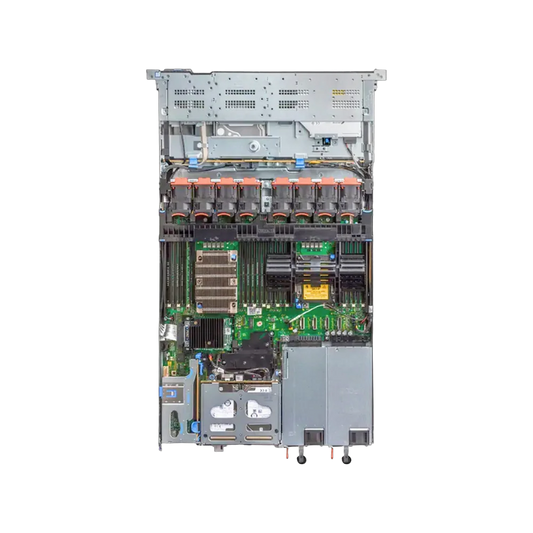

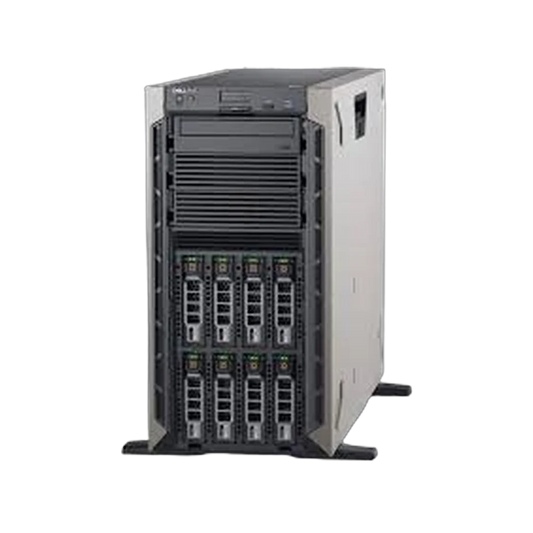



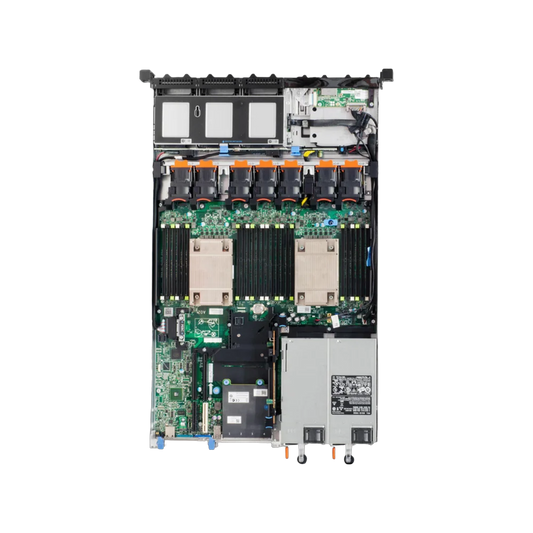




A backup server isn't a production server with the workload turned down. It has inverted priorities, and Veeam...
The question behind every refurbished purchase: how long before it fails? The answer comes from failure data on...
A rack has to outlast everything else in the server room. Buy a shallow one to save money...
"Use enterprise SSDs" is correct advice — and incomplete, because the category spans drives rated for a few...


