

RAID Levels Explained: RAID 0, 1, 5, 6, 10, 50 and 60 for Business Servers
RAID levels appear in nearly every storage decision, usually as though everyone already knows why RAID 6 beats...

Virtualization used to mean one thing for most businesses: VMware. But recent licensing changes have pushed subscription costs far beyond what many small and medium businesses can justify, and thousands of companies are now looking for an alternative that does not sacrifice reliability.
That alternative, for a growing number of IT teams, is Proxmox VE — a free, open-source virtualization platform that runs virtual machines and containers with enterprise features like clustering, high availability, live migration, and built-in backup.
Even better: Proxmox runs exceptionally well on refurbished enterprise servers. A previous-generation Dell PowerEdge or HPE ProLiant with plenty of RAM and drive bays delivers everything Proxmox needs, at a fraction of the cost of new hardware plus proprietary licensing. This guide covers what Proxmox is, the hardware it needs, and how to build a reliable virtualization setup on a small business budget.

Proxmox Virtual Environment (Proxmox VE) is an open-source virtualization platform based on Debian Linux. It combines two virtualization technologies in one system, managed from a single web interface:
KVM Virtual Machines
Full virtual machines for Windows Server, Linux, firewalls, databases — anything that needs its own operating system.
LXC Containers
Lightweight Linux containers that use far less RAM and CPU than full VMs — ideal for web servers, DNS, monitoring, and small services.
Common business uses for Proxmox include:
Proxmox VE itself is completely free, including clustering and high availability. Optional paid subscriptions add access to the enterprise update repository and vendor support — but no features are locked behind payment.
The move to Proxmox accelerated sharply after VMware's shift to subscription-only licensing, which removed the free ESXi hypervisor and significantly raised costs for small deployments. For a business running a handful of hosts, the difference is dramatic:
The wide hardware support matters more than it sounds: a refurbished server that is no longer on VMware's compatibility list often runs the latest Proxmox perfectly — extending the useful life of the hardware by years.
Proxmox itself is lightweight — the real requirements come from the VMs you plan to run. For virtualization, the priorities in order are: RAM first, then storage speed, then CPU cores.
| Workload | Recommended RAM |
|---|---|
| Home lab / testing (2–5 small VMs) | 32GB |
| Small business (5–10 VMs incl. Windows Server) | 64GB to 128GB |
| Consolidation host (10–25 VMs) | 128GB to 256GB |
| Cluster node with HA and ZFS | 256GB+ (add extra for ZFS cache and failover headroom) |
Rule of thumb: add up the RAM of all planned VMs, add 4–8GB for Proxmox itself and ZFS, then leave 20–30% headroom. Refurbished servers make this affordable — used DDR4 ECC memory costs a fraction of new.

These proven platforms offer the best balance of price, RAM capacity, and expandability for Proxmox:
| Server | Max RAM | Best For |
|---|---|---|
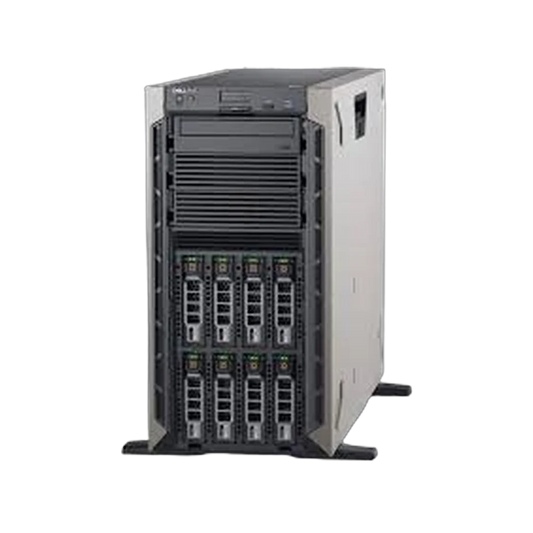
| Dell PowerEdge T440 / T640 | Up to 768GB / 3TB | Quiet tower host for offices without a server room |
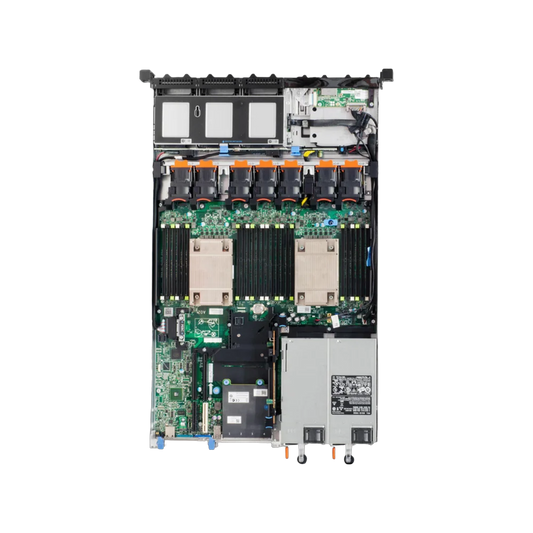
| Dell PowerEdge R630 / HPE DL360 Gen9 | Up to 768GB | Budget 1U rack hosts, great value per VM |
| Dell PowerEdge R730 / HPE DL380 Gen9 | Up to 768GB / 1.5TB | The classic small business Proxmox host — RAM, bays, and price sweet spot |
| Dell PowerEdge R740 / HPE DL380 Gen10 | Up to 3TB | Newer CPUs, NVMe support, cluster nodes for heavier workloads |
| Setup | Configuration | Runs Comfortably |
|---|---|---|
| Starter (single host) | R630, 2x Xeon, 64GB ECC, 2x 960GB SSD (ZFS mirror), dual 1GbE | 5–8 VMs: AD, file server, app server, firewall, containers |
| Business (single host) | R730xd, 2x Xeon, 128GB ECC, 4x 1.92TB SSD (ZFS RAID10), 10GbE | 10–20 VMs including databases and Windows Server workloads |
| HA Cluster (3 nodes) | 3x R740, 256GB each, SSD/NVMe, 10GbE, shared or Ceph storage | Business-critical VMs with automatic failover if a node fails |
A three-node refurbished cluster with high availability often costs less than a single new server with proprietary virtualization licensing — while offering far better uptime.
Proxmox is flexible about where VM disks live. The three most common designs:
Use enterprise SSDs with power-loss protection for VM storage. Consumer SSDs wear out quickly under ZFS and virtualization write loads and can lose data on power failure.
Virtualization concentrates many workloads onto one host — which makes backup even more important. Proxmox includes scheduled VM backups out of the box, and the free Proxmox Backup Server (PBS) adds incremental, deduplicated, verified backups with fast single-file restore.
A solid pattern is to run PBS on a separate refurbished server or NAS, then replicate or copy those backups offsite — following the 3-2-1 backup strategy. Veeam also supports Proxmox VE, so businesses already using Veeam can keep their existing backup workflow.
Proxmox Hosts → Proxmox Backup Server / Veeam → NAS → Offsite Copy
Deduplicated, incremental VM backups with an offsite copy for disaster recovery.
Proxmox VE has matured into a genuine enterprise virtualization platform — and its timing could not be better. As proprietary licensing costs climb, Proxmox on refurbished enterprise hardware lets businesses run the same workloads with better economics: no license fees, wide hardware support, built-in backup, and high availability that used to require a much larger budget.
The formula is simple: a refurbished Dell PowerEdge or HPE ProLiant, loaded with ECC RAM and enterprise SSDs, running Proxmox — and for larger needs, three of them in a high-availability cluster backed by a TrueNAS storage server.
At ServerDove Trading & Services, we supply refurbished and new enterprise servers, ECC memory upgrades, enterprise SSDs, HBA cards, and 10GbE networking — everything needed to build Proxmox hosts and clusters in Qatar. Contact us to size a virtualization setup for your VM workload.









RAID levels appear in nearly every storage decision, usually as though everyone already knows why RAID 6 beats...
A backup server isn't a production server with the workload turned down. It has inverted priorities, and Veeam...
The question behind every refurbished purchase: how long before it fails? The answer comes from failure data on...
A rack has to outlast everything else in the server room. Buy a shallow one to save money...


