

Backup Server Build Guide: Hardware for Veeam and Proxmox Backup Server
A backup server isn't a production server with the workload turned down. It has inverted priorities, and Veeam...

If you've configured a modern server, upgraded to Windows 11, or worked through a security compliance checklist recently, you've almost certainly run into the term TPM. It appears in BIOS menus, operating system requirements, and audit reports — yet many IT teams still aren't sure what it actually does.
A Trusted Platform Module (TPM) is a dedicated security chip that gives a computer a hardware-based root of trust. It protects encryption keys, verifies that a system boots untampered software, and makes stolen drives unreadable — protections that pure software cannot match.
This guide explains what a TPM is, the different ways it is implemented, what it is used for in real business environments, and how the TPM versions — 1.2 and 2.0 — compare, so you can make the right call when buying or configuring server hardware.

TPM stands for Trusted Platform Module — a tamper-resistant cryptographic processor built into or attached to a computer's motherboard. Its job is to perform sensitive security operations inside its own isolated environment, so that secrets like encryption keys never have to leave the chip.
That isolation is the key difference from software security: if an operating system is compromised, software-stored keys can be stolen. Keys sealed inside a TPM cannot be extracted, even by an attacker with administrator access to the OS.
The TPM is defined by an open standard from the Trusted Computing Group (TCG), and TPM 2.0 is also an international standard (ISO/IEC 11889) — which is why it works consistently across Dell, HPE, Lenovo, Supermicro, and other platforms.
Not every TPM is a physical chip. There are four forms you'll encounter in practice:
Discrete TPM (dTPM)
A standalone chip soldered onto the motherboard or fitted to a TPM header. Physically isolated and often tamper-certified — the standard choice on enterprise servers like Dell PowerEdge and HPE ProLiant.
Firmware TPM (fTPM)
Runs inside the CPU's trusted execution environment — Intel PTT or AMD fTPM. No extra hardware needed, which is why it's the default on most consumer and workstation systems.
Integrated TPM
Built into another chipset component on the board — a middle ground between discrete and firmware implementations.
Virtual TPM (vTPM)
A TPM emulated by the hypervisor and presented to each virtual machine — how VMs on Proxmox, VMware, or Hyper-V get BitLocker and Windows 11 support.
On Dell PowerEdge and HPE ProLiant servers, the discrete TPM is either factory-fitted or added via a small module on a dedicated motherboard header — worth checking when ordering refurbished hardware if TPM features are part of your security plan.
The most familiar use case. BitLocker on Windows and LUKS on Linux can seal disk encryption keys inside the TPM, so drives unlock automatically only when the system boots in a trusted, unmodified state. If a drive — or the entire server — is stolen, the data stays unreadable. For servers in shared facilities or offices, this means physical access to hardware no longer means access to data.
The TPM records cryptographic measurements of every boot stage — firmware, bootloader, kernel — in its Platform Configuration Registers (PCRs). If a rootkit or bootkit tampers with any component, the measurements change and the tampering is detectable before the operating system even loads.
Measured boot enables something even more powerful: a server can cryptographically prove to a remote system that it booted trusted software. In data centers, this lets administrators verify the integrity of an entire fleet of machines without physically inspecting any of them.
TPMs generate and store cryptographic keys that can be marked non-exportable — usable for signing and decryption, but impossible to copy out of the chip. This protects SSH keys, TLS certificates, VPN credentials, and code-signing keys from theft.
Every TPM contains a unique Endorsement Key burned in at manufacture, giving each machine a hardware-backed identity for device authentication and zero-trust networks. Modern operating systems also anchor Windows Hello, credential guard features, and passwordless FIDO2 logins in the TPM.

The TPM specification has evolved over two decades. The very first widely deployed version, TPM 1.1b (2003), introduced the core ideas but is fully obsolete today. The versions that matter in practice are 1.2 and 2.0.
TPM 1.2 was the workhorse of enterprise computing for a decade. It supports only SHA-1 hashing and RSA keys, uses a single storage hierarchy with one owner authorization, and was standardized as ISO/IEC 11889 in 2009. Its fatal weakness today is SHA-1, which has been cryptographically broken — making TPM 1.2 unsuitable for modern security requirements.
TPM 2.0 is a complete redesign — not backward compatible with 1.2 — and is the current standard. Key improvements:
| Feature | TPM 1.2 | TPM 2.0 |
|---|---|---|
| Hash algorithms | SHA-1 only (broken) | SHA-256 and newer (agile) |
| Asymmetric crypto | RSA only | RSA + ECC |
| Symmetric crypto | Not supported | AES supported |
| Hierarchies | One (single owner) | Three, independently authorized |
| Authorization | Basic owner password | Rich policy-based rules |
| Windows 11 | Not supported | Required |
| Status | Deprecated | Current standard |
Upgrading from TPM 1.2 to 2.0 is rarely possible — they are different architectures. On Dell PowerEdge (13th gen onward) and HPE ProLiant (Gen9 onward), TPM 2.0 modules are available; older platforms generally need a hardware refresh.
For anyone running dedicated servers, virtualization hosts, or on-premise infrastructure, TPM is more than a compliance checkbox:
Not always. Modern CPUs include firmware TPM (Intel PTT or AMD fTPM) that provides full TPM 2.0 functionality. For the highest assurance — and on most enterprise server platforms — a certified discrete TPM module is still preferred.
No meaningful impact. The TPM only handles small operations like unsealing an encryption key at boot; bulk encryption runs on the CPU, which has hardware AES acceleration.
No, but they work together. Secure Boot blocks unsigned boot components; the TPM measures and records what actually booted, enabling detection and attestation. Combined, they provide a far stronger boot security story than either alone.
Yes — hypervisors including Proxmox, VMware, and Hyper-V can present a virtual TPM (vTPM) to each VM, enabling BitLocker, measured boot, and Windows 11 inside guests.
The Trusted Platform Module has gone from an obscure enterprise feature to a foundational requirement of modern computing. Whether it's sealing BitLocker keys on a workstation or providing remote attestation across a fleet of servers, TPM delivers something software alone cannot: a hardware root of trust.
When specifying new or refurbished server hardware today, make TPM 2.0 part of the baseline — enable measured boot, encrypt disks with TPM-sealed keys, and use vTPM for Windows guest VMs. Your future security audits will thank you.
At ServerDove Trading & Services, we supply refurbished and new enterprise servers — Dell PowerEdge and HPE ProLiant — with TPM 2.0 modules, along with ECC memory, enterprise SSDs, and networking gear in Qatar. Contact us to configure secure server hardware for your workload.

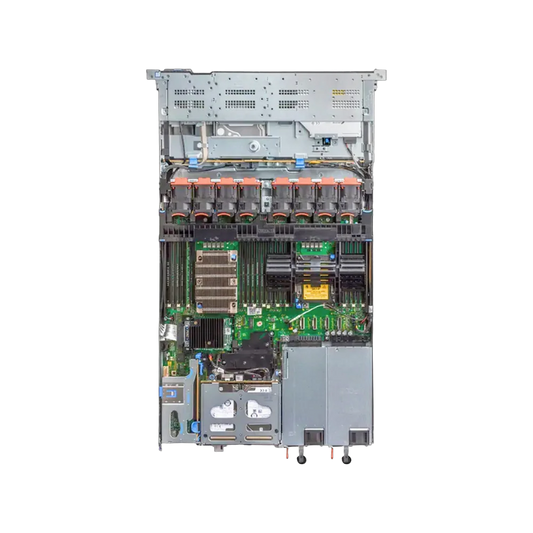

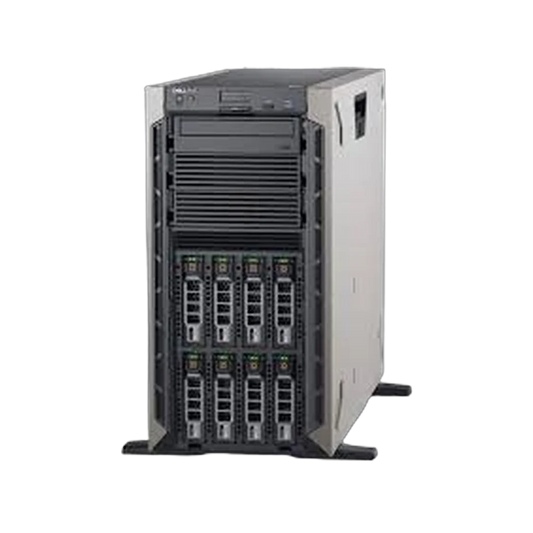



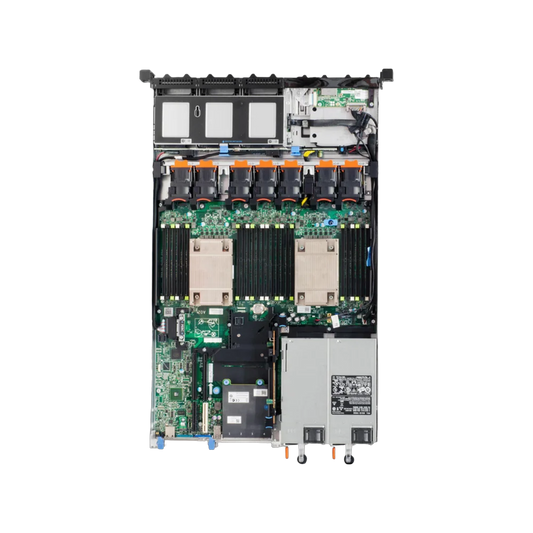

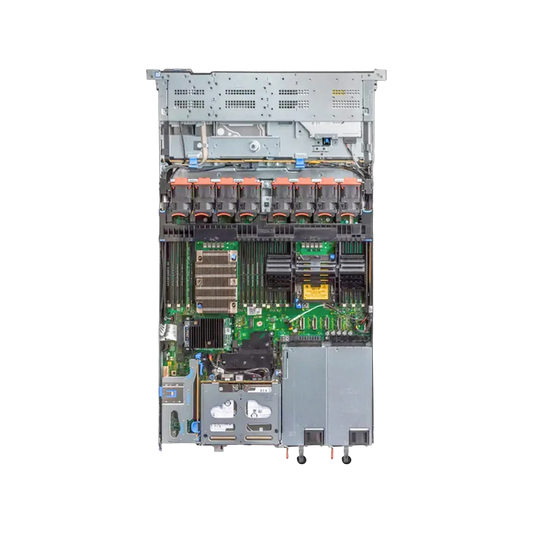

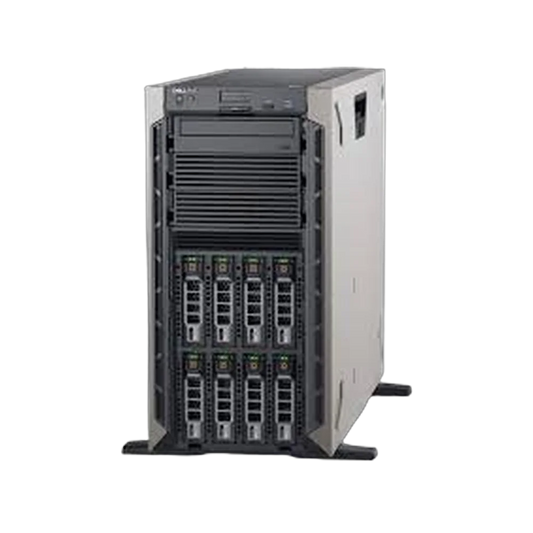


A backup server isn't a production server with the workload turned down. It has inverted priorities, and Veeam...
The question behind every refurbished purchase: how long before it fails? The answer comes from failure data on...
A rack has to outlast everything else in the server room. Buy a shallow one to save money...
"Use enterprise SSDs" is correct advice — and incomplete, because the category spans drives rated for a few...


